

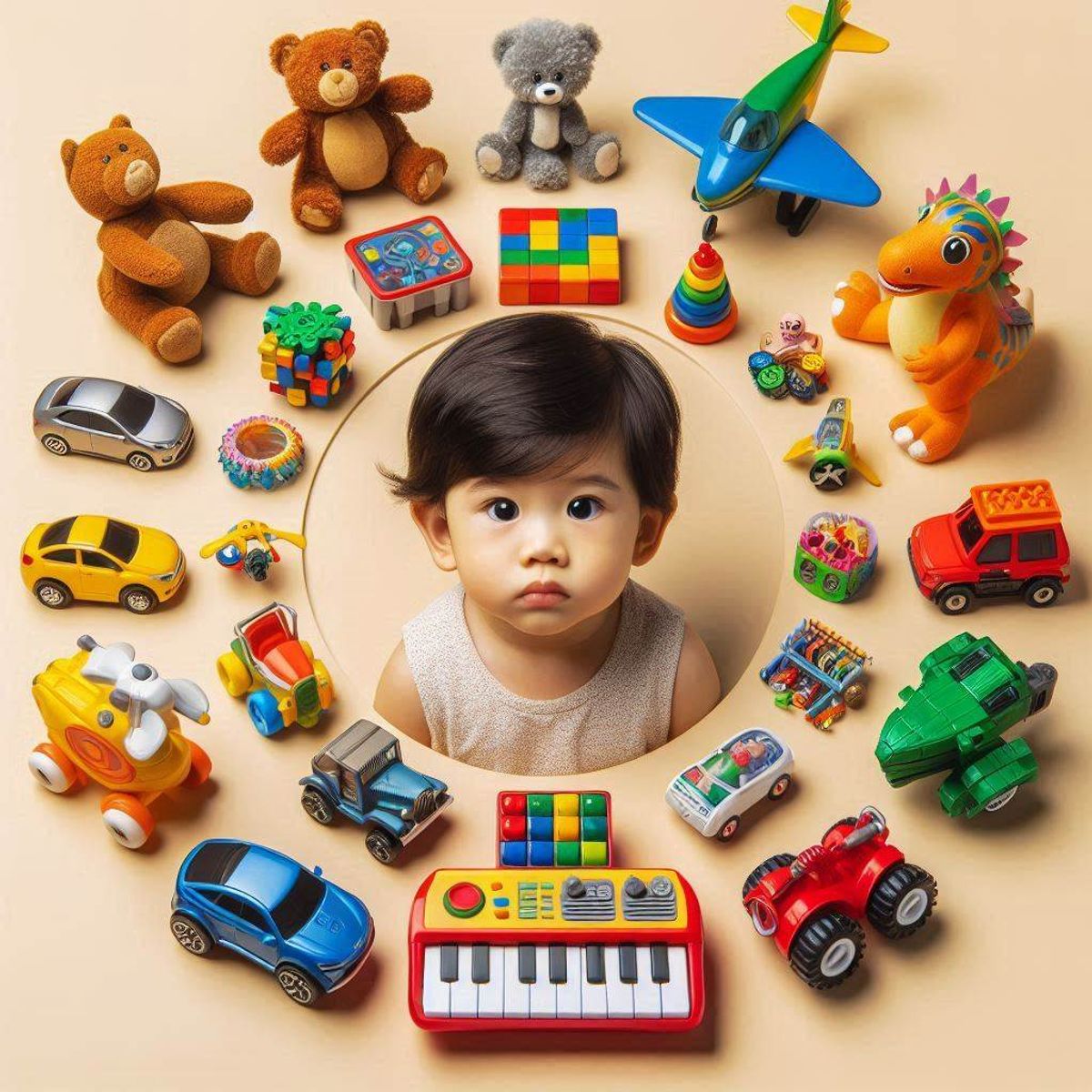
With toy collections often growing faster than available space, managing and organizing toys can become overwhelming. A toy rotation system is a fantastic way to keep playtime fresh and engaging while maintaining a clutter-free environment. Here’s a step-by-step guide to help you create an effective toy rotation system that revitalizes your child’s play experience.

Understanding Toy Rotation:
A toy rotation system involves periodically changing the toys that are available to your child. This approach helps in:
- Reducing Clutter: Fewer toys out at any given time means a tidier play area.
- Maintaining Interest: Introducing and reintroducing toys keeps them engaging and exciting.
- Encouraging Creativity: A rotating selection stimulates new ways of play and exploration.

Assessing Your Toy Collection:
Before setting up your rotation system, take the time to assess your current toy collection:
- Categorize: Group toys into categories such as educational, artistic, and active. This helps in creating a well-rounded rotation.
- Evaluate Usage: Determine which toys are frequently played with and which are less popular. This will guide your selection for each rotation.
- Choose Storage Solutions: Invest in storage bins, shelves, or drawers to keep toys organized and easily accessible.

Creating a Rotation Schedule:
Establishing a rotation schedule is crucial for maintaining an effective system:
- Determine Frequency: Decide how often you want to rotate toys. Common intervals are weekly, bi-weekly, or monthly.
- Select Toys: Choose a diverse mix of toys for each rotation based on your child’s interests and developmental needs.
- Designate Storage: Allocate a specific area for toys that are not currently in rotation. This could be a closet, separate room, or designated storage bins.

Implementing the Rotation System:
Follow these steps to implement your toy rotation system smoothly:
- Organize: Arrange toys into bins or on shelves and label them for easy identification. Keep only a portion of the toys accessible to your child at one time.
- Rotate: Swap out toys according to your established schedule. Involve your child in the process to make it engaging and fun.
- Observe: Pay attention to your child’s reactions and play patterns. Adjust the rotation based on their feedback and evolving interests.

Benefits of a Toy Rotation System:
Adopting a toy rotation system offers several benefits:
- Enhanced Focus: Fewer toys out at once help children concentrate and engage more deeply with each toy.
- Increased Variety: Regularly changing toys keeps playtime exciting and introduces new interests.
- Improved Organization: A rotation system promotes an organized play area and helps children learn about managing their toys.
A toy rotation system is a practical and effective strategy to keep playtime engaging and organized. By periodically updating the toys available, you can maintain a stimulating play environment while managing clutter. Start implementing a toy rotation system today and enjoy the benefits of a refreshed and orderly play experience.
Ready to get started? Begin by assessing your toy collection, setting up a rotation schedule, and organizing your toys. Enjoy the revitalized playtime and the organized space that comes with a well-executed toy rotation system!
Related products


Tayo Bus City Parking Lot Toys

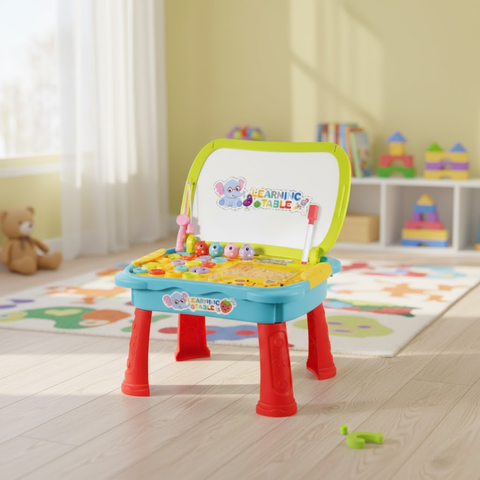
Versatile Table Drawing Board Educational Toys


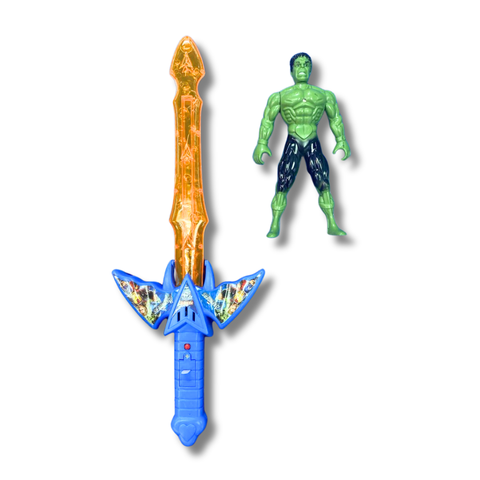
Avengers Super Hero Toy Sword
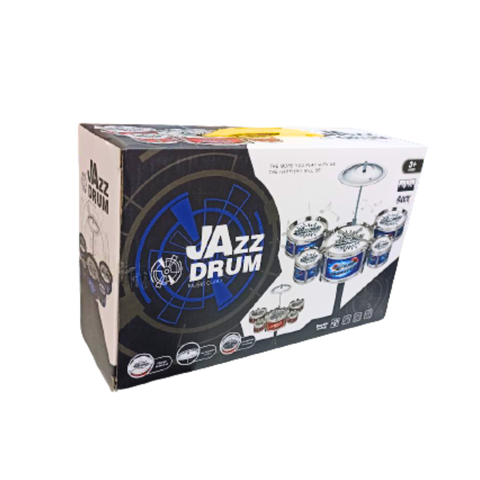
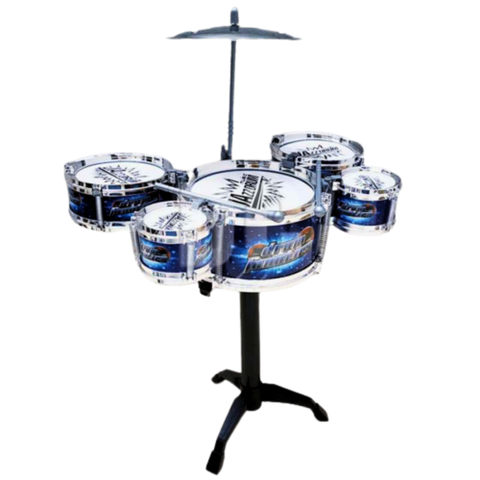
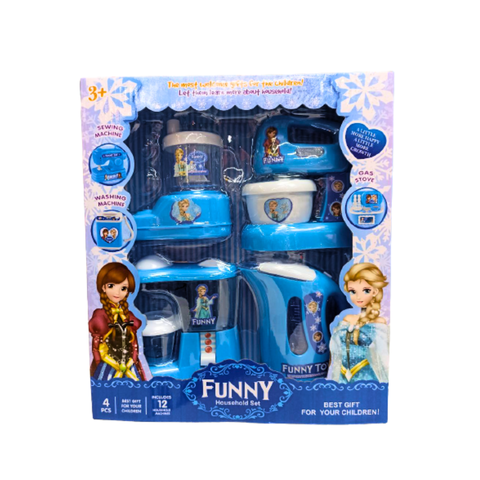
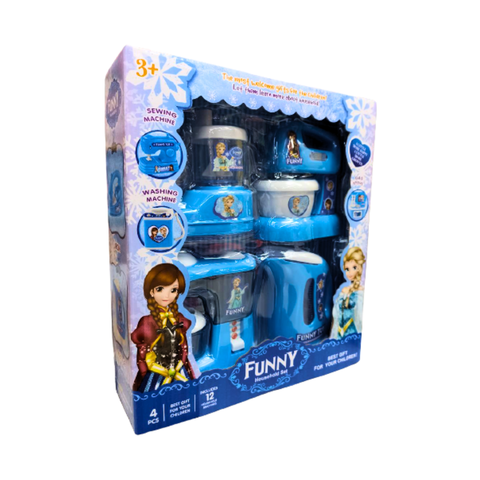
Frozen Household Set Toy
My Funny Poys Toys (3+)